Written by Simon Cox, Director · Read Simon's bio
In short: A high-performing boutique hotel website does two things well: firstly, it convinces savvy, motivated guests to book direct rather than defaulting to Booking.com or Expedia; secondly, it structures room, dining, wellness and event details in plain language so AI search tools like ChatGPT and Google AI Overviews recommend your property directly.
Key takeaways
Sell the atmosphere before the room inventory: Lead with art directed brand photography and clearly-tiered room offerings rather than generic amenities lists; this helps guests see why your room rate is worth booking directly
Unify diverse venue offerings under one roof: Keep bedrooms, dining, spa/wellness and weddings on one cohesive website rather than splitting them across separate micro-sites (which can dilute your Google authority)
Replace PDFs with native content for AI discovery: Publish wedding packages, dining menus and niche amenities directly on your web pages so ChatGPT and Google AI Overviews can read and recommend you
Remove friction from the direct booking journey: Place best-rate guarantees, complimentary perks and fast mobile booking paths right beside your primary calls to action
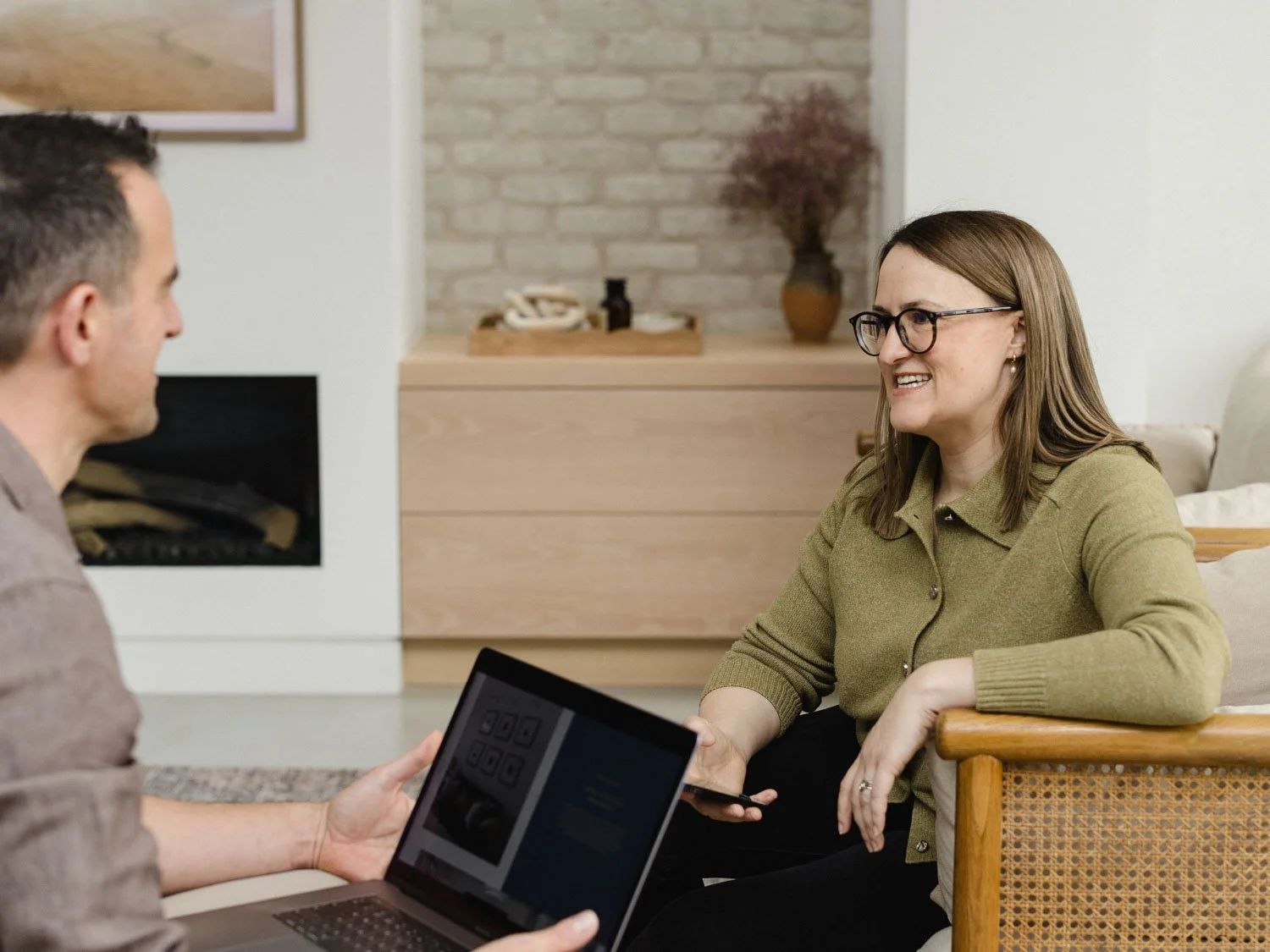
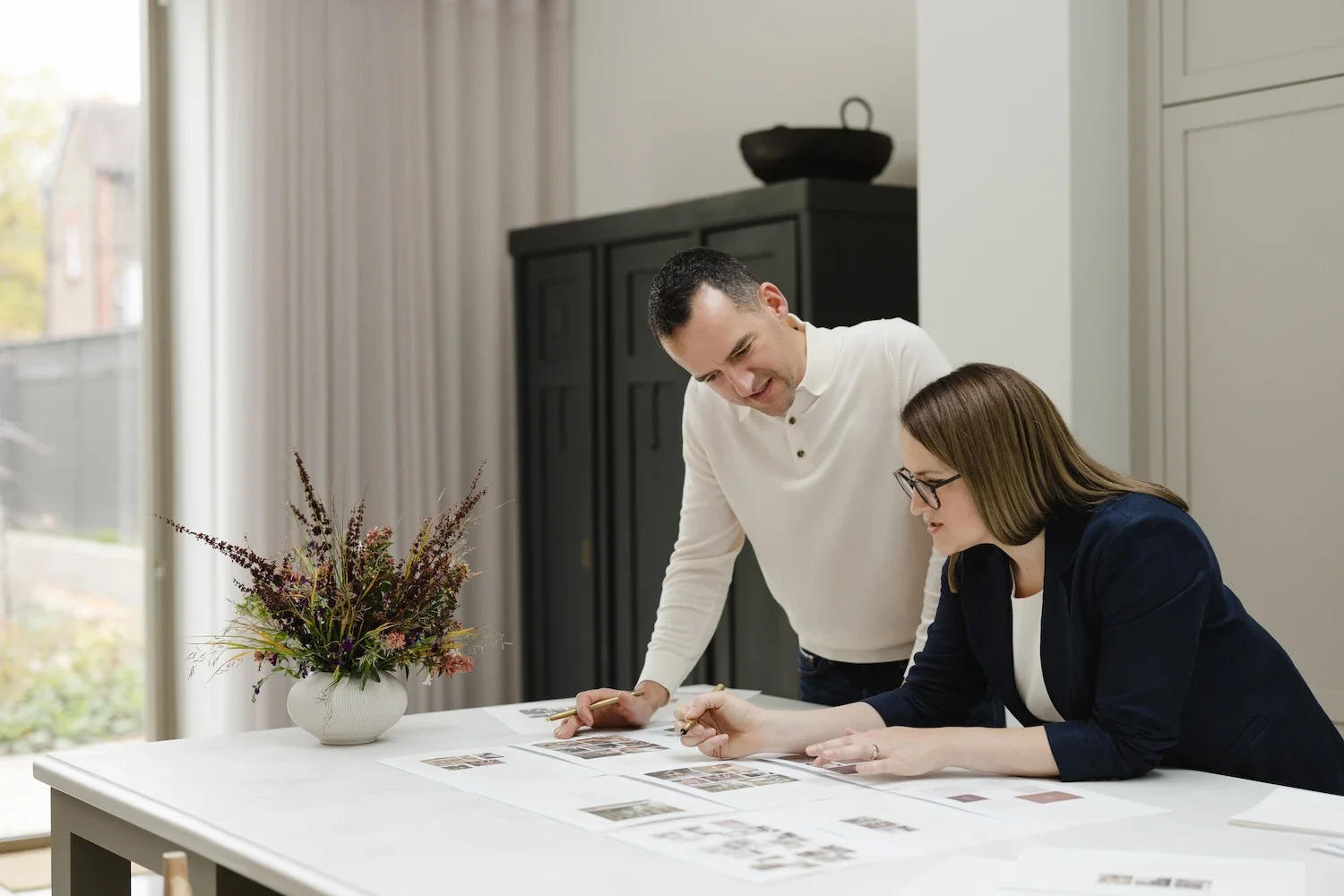
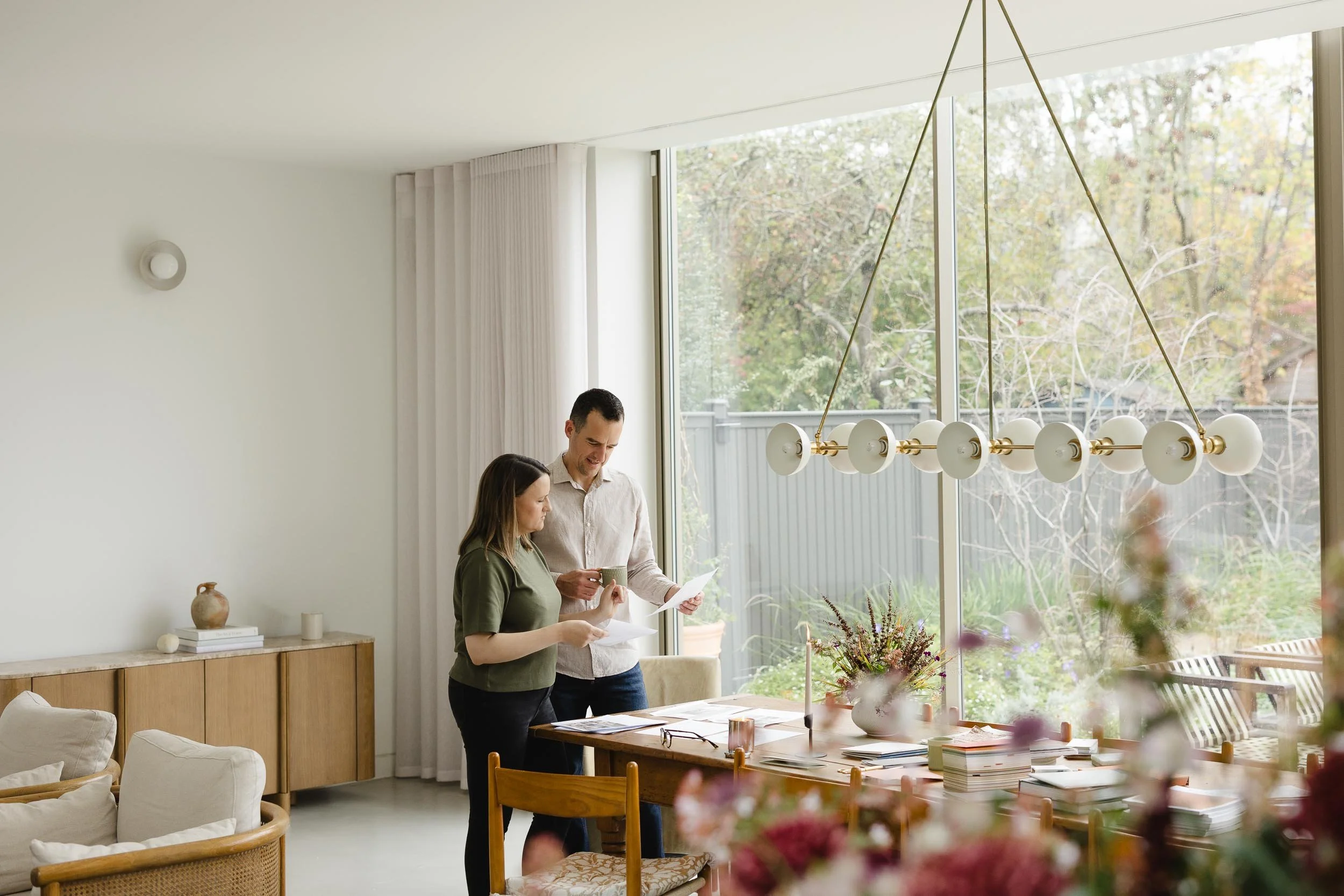
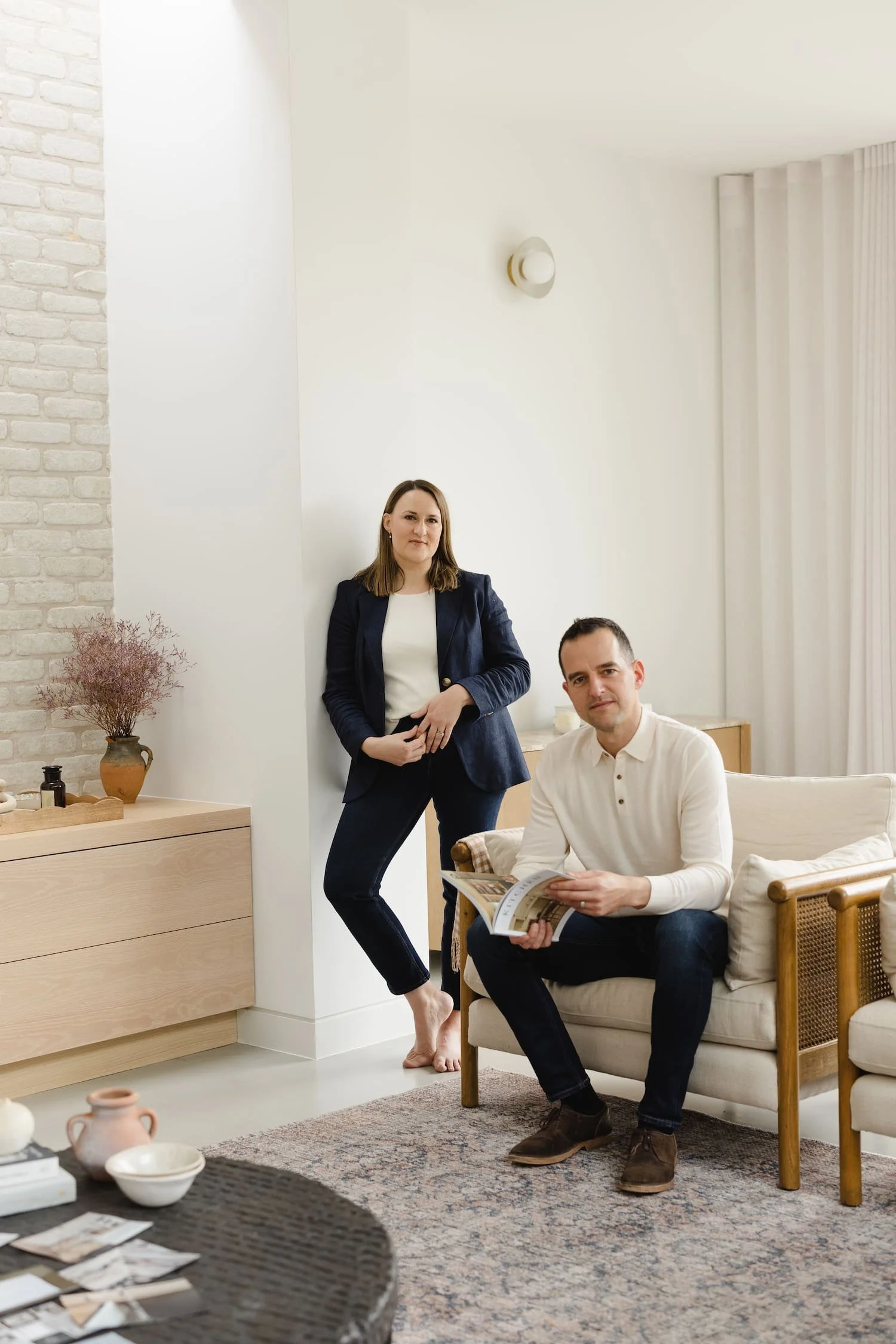
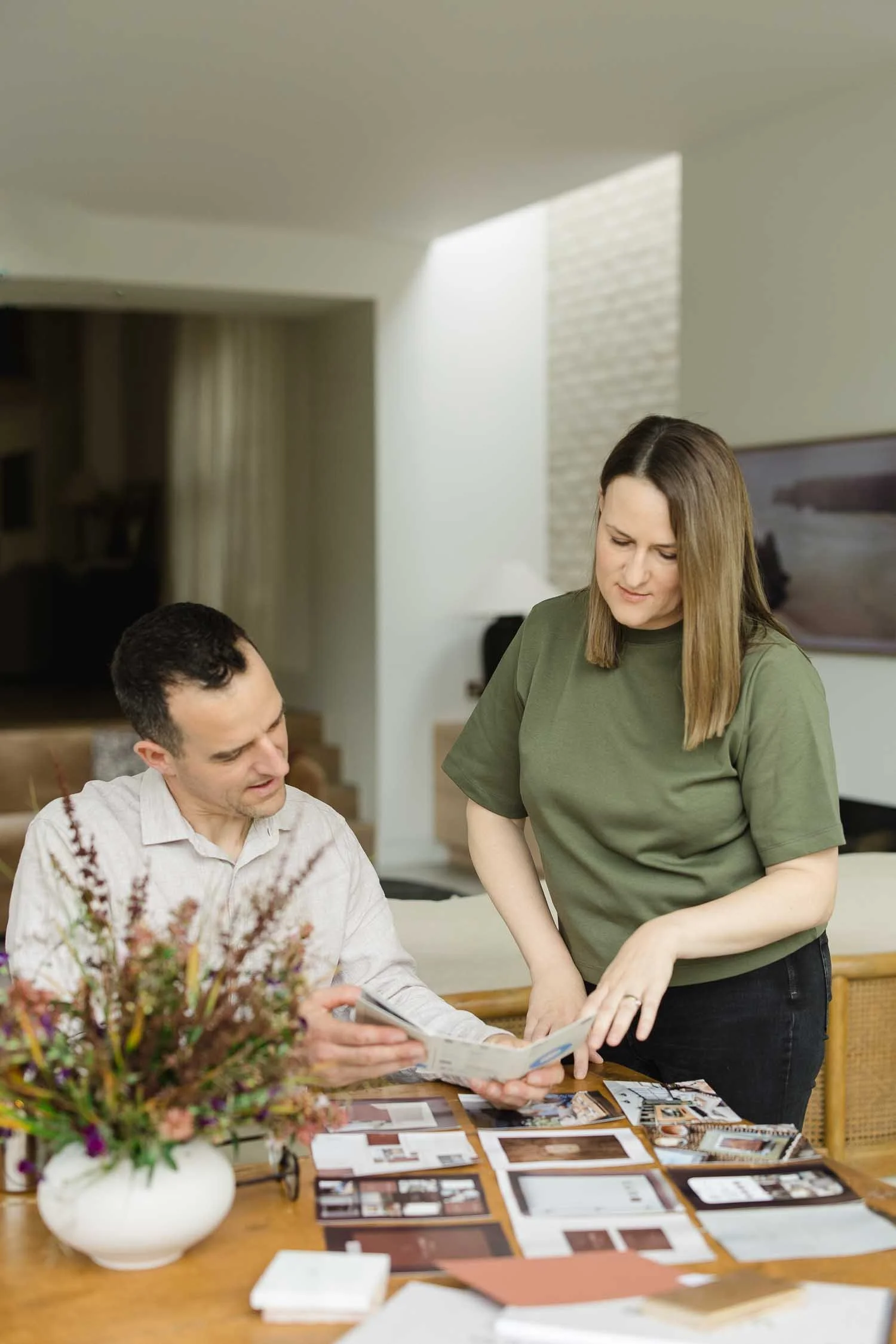
Simon and Rachael talking in comfortable surroundings
Introduction
For years, independent hoteliers have been told that online travel agents (OTAs) are an unavoidable tax on occupancy. You pay 15% to 20% commission to platforms like Booking.com or Expedia because they have dominated the market and are where travellers have become accustomed to starting their search.
Yet two major shifts have changed how guests choose where to stay:
Travellers are increasingly using AI tools, such as ChatGPT and Google's AI Overviews, to plan trips and shortlist hotels. Unlike traditional directory searches dominated by OTA aggregators, conversational AI frequently bypasses third-party booking sites and sends users straight to individual hotel websites that clearly match their criteria.
Discerning guests check your website before they ever click ‘book.’ Even when someone discovers your property on Instagram or through an editorial guide, they visit your own website to judge the atmosphere, compare room category offerings and decide whether the experience justifies your pricing
If your website feels dated, hides key details behind clunky navigation or divides up your restaurant, spa and wedding offerings across disconnected pages, guests will either bounce back to an OTA or choose a competitor whose online presence feels more in line with their physical space.
Here is how to approach boutique hotel website design so it reflects the quality of your property, wins direct bookings and earns visibility in both Google and AI search.
1. Sell the atmosphere before the room inventory
Most hotel websites make the same mistake: they lead with a booking bar, a list of room dimensions and generic stock phrases about ‘warm hospitality’ and ‘luxury comfort.’
Guests booking a boutique hotel are rarely buying a bed for the night. They are buying a feeling: a quiet coastal weekend, a cosy country house escape, a culinary stay or a restorative wellness retreat.
Your homepage and room pages need to communicate that distinction immediately:
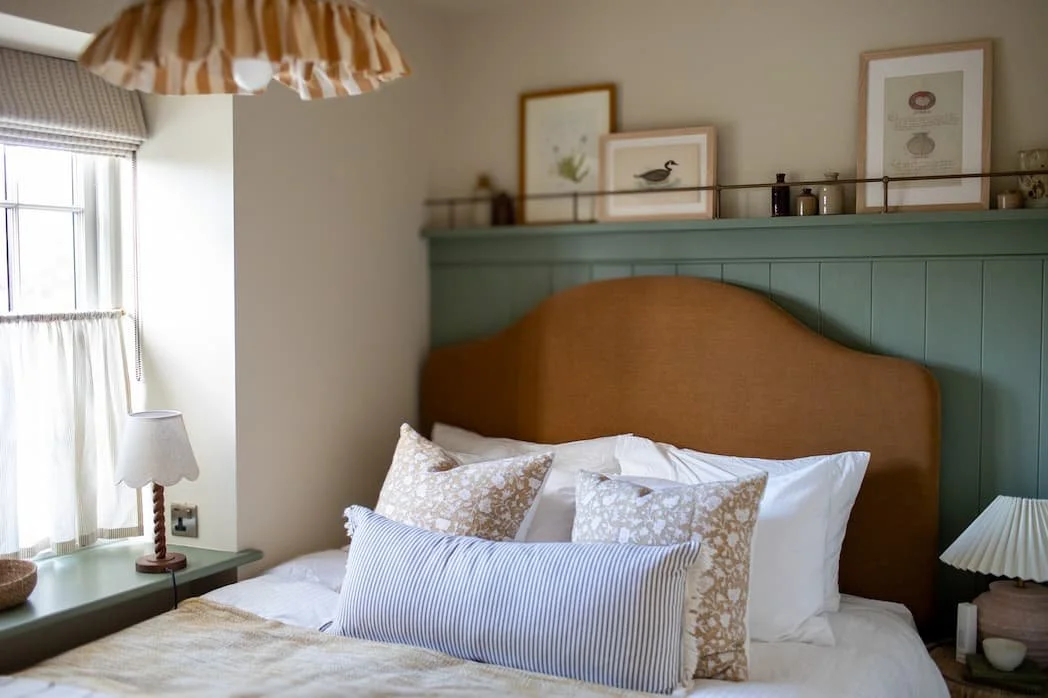
Lead with editorial art-directed imagery, not just architectural shots: Show morning light across linen bedding, the texture of materials in the room, a fireside drink in the lounge and the surrounding landscape. (If you are planning a shoot, read our guide on why art direction transforms brand photography.)
Give every room category a distinct point of view: Instead of listing identical bullet points for Classic, Superior and Deluxe rooms, explain who each room suits and why: whether a freestanding bath overlooking the garden or a quiet ground-floor suite with terrace access.
Keep the visual pace calm and unhurried: Generous white space, considered typography and restrained colour palettes demonstrate confidence. When a website feels crowded with pop-ups, competing banners or simply too much information, it undermines the very sense of calm guests are paying to experience.
2. Unify multi-arm hospitality offerings without confusing guests
Many independent hotels are no longer single-purpose businesses. Alongside bedrooms, you may run a destination restaurant, a spa or Reformer Pilates studio, a golf course or a dedicated wedding and events barn.
When these offerings grow organically over time, websites often become disjointed or, worse, split across entirely separate domains with mismatched branding.
We recently worked with a country house hotel and wedding venue whose rooms, golf facilities and events barn were divided across two separate websites with completely different visual identities. While the main hotel site attracted strong organic traffic, sending wedding couples off to an isolated microsite diluted their search authority and made it harder to showcase new additions like a wellness studio.
Splitting your wedding venue or wellness space onto a separate website usually creates two problems:
You dilute your domain authority: Your main hotel website typically attracts far more traffic and backlinks than a standalone microsite. Keeping weddings, dining and wellness under one cohesive roof allows every part of the business to benefit from that shared search credibility.
You fragment the guest journey: A couple researching a two-day wedding wants to see the bedrooms their guests will stay in. A weekend spa guest wants to browse the restaurant menu.
The solution is clear brand architecture and intuitive navigation. Within one unified website, give each core pillar (Stay, Dine, Wellness, Weddings & Events) its own dedicated landing page, tailored photography and clear enquiry path, while maintaining a consistent visual identity across every touchpoint.
| Website element | OTA-reliant hotel website | Direct-booking and AI-ready hotel website |
|---|---|---|
| Booking journey | Generic room lists with hidden direct perks, pushing price-conscious guests back to Booking.com or Expedia | Distinct room stories paired with visible best-rate guarantees, complimentary perks and a friction-free mobile booking widget |
| Wedding and wellness integration | Split across separate microsites or buried in dropdown menus, diluting domain authority and confusing guests | Unified under one primary domain with dedicated landing pages and cross-links between stays, dining, spa and events |
| Brochure and menu format | Crucial wedding packages, seasonal menus and rates locked inside downloadable PDFs that AI tools struggle to read | Web-native HTML pages stating clear amenities, package options and plain-English FAQs so Google and ChatGPT cite you directly |
3. Make your website easy for AI search tools to recommend
When a prospective guest asks ChatGPT or Google's AI Overviews to ‘recommend a boutique hotel in the Cotswolds with a spa and dog-friendly rooms’ or ‘find a country house hotel for a two-day non-traditional wedding,’ AI models look for clear, structured facts they can verify.
If your website relies on vague marketing copy or locks crucial details inside downloadable PDF brochures, AI tools cannot easily read or cite what makes you special.
To strengthen your visibility in AI-powered travel discovery:
Be explicit about packages, amenities and niche criteria: State clearly on-page if you offer two-day exclusive-use weddings, electric vehicle charging, dog-friendly suites, wellness retreats or Sunday night dining packages.
Replace PDF-only menus and brochures with native content on page: PDFs are notoriously awkward on mobile phones and poorly indexed compared to clean coded pages. Keep a downloadable brochure as a secondary option, but put your core wedding packages, dining sample menus and seasonal offers directly onto well-structured web pages.
Answer real guest questions directly: Include concise, plain-English FAQs covering check-in times, parking, accessibility, dietary options and direct-booking perks.
4. Give guests a compelling reason to book direct
Even when a traveller finds your website directly, habit often pulls them back to Booking.com to compare prices or check cancellation terms. Your website must remove every ounce of friction from booking direct and make the direct choice unmistakably better.
Position your ‘book direct’ perks right next to the booking widget: Do not bury direct benefits in the footer. Highlight perks such as best-rate guarantees, complimentary welcome drinks, priority room upgrades or flexible cancellation directly alongside your primary call to action.
Keep third-party booking engines seamless: You do not need to spend tens of thousands of pounds hardwiring a bespoke reservation engine from scratch. Modern booking systems (such as Mews, Cloudbeds, Guestline or Little Hotelier) can be embedded or styled cleanly so the transition from browsing rooms to confirming dates feels trustworthy and effortless.
Capture high-intent leads who are not ready to book tonight: For high-value stays, spa breaks and weddings, integrate simple newsletter sign-ups or private offer codes into your page setups so you can nurture guests by promoting seasonal midweek stays rather than discounting heavily on OTAs.
5. Prioritise speed, mobile experience and in-house useability
According to Statista, over 70% of online traffic to travel and hospitality websites comes from mobile devices, often while guests are commuting, sitting on the sofa or already travelling. Yet boutique hotel websites are frequently slowed down by huge uncompressed photography files and over-engineered page builders.
Before committing to a platform or redesign, check three technical essentials:
Image compression without losing visual richness: Large hero images should be properly sized and compressed so pages load in under two seconds on mobile connections. (See our practical guide on how to size and compress website images properly.)
A platform your team can actually update: If updating a seasonal menu, adding a new wellness class or launching a Sunday night rate requires raising a developer ticket or wrestling with a complicated backend, your website will quickly fall behind your real-world hospitality. Choose a clean, structured platform where your team can update copy, imagery and offers confidently in-house.
Protect your existing search performance during a redesign: If your current website already ranks well on Google for local hotel or wedding searches, never let a redesign wipe out your existing URLs or rewrite high-performing pages blindly. Careful user experience (UX) wireframing and a structured SEO migration plan ensure you elevate the visual experience while keeping your hard-won search rankings intact.
Ready to turn your hotel website into your strongest direct booking channel?
At Wildings Studio, we work with design-led hospitality businesses, boutique hotels and destination venues to bring brand clarity and high-converting website design together.
Whether you need a complete website redesign or strategic UX wireframing and brand alignment to work alongside your existing developers and SEO partners, we help you create an online presence that reflects the true quality of your guest experience.
Explore our website design service to see how we plan, wireframe and build calm, conversion-focused websites.
Book an initial consultancy session if you are unifying multiple hospitality offerings (such as rooms, dining, wellness and events) and want a clear roadmap before building.
Download our hospitality and boutique hotel branding guide for practical frameworks on positioning design-led hospitality brands.
Frequently Asked Questions
-
A high-converting boutique hotel website combines evocative editorial photography, clear room differentiation, prominent direct-booking perks (such as best-rate guarantees or complimentary upgrades), fast mobile load speeds and a friction-free reservation journey without distracting pop-ups.
-
AI search tools recommend hotels that publish clear, structured details on their own websites rather than locking information inside PDFs. Stating specific amenities, package types (such as wellness retreats or two-day weddings), location context and direct answers to guest FAQs helps AI engines match your property to detailed traveller prompts.
-
In most cases, keeping weddings, dining and wellness under your main hotel domain is stronger for both SEO and guest conversion. A unified website concentrates all your search authority in one place while allowing wedding couples and spa guests to explore accommodation seamlessly.
-
To protect existing search visibility during a redesign, audit your top-performing pages first, keep existing URL structures wherever possible (or implement clean 301 redirects for any changed paths), preserve core on-page headings and maintain internal links before launching the new design.
About the author:
Simon Cox, Co-Founder and Brand & Digital Strategist at Wildings Studio
Simon helps design-led hospitality businesses, interior designers and architects turn fragmented websites into calm spaces that deliver. Drawing on experience planning brand architecture, UX wireframes and search-led content strategies for expansive venues (spanning accommodation, dining, wellness and weddings), he focuses on helping independent properties win direct bookings and AI travel recommendations without losing hard-won Google rankings.












About Wildings Studio
Wildings Studio is a Devon-based branding and website design studio founded by Simon and Rachael Cox. We partner with boutique hotels, independent hospitality venues, interior designers, garden designers and architects to bring strategic brand clarity and considered website design together. Whether delivering a full brand identity and Squarespace build or providing pre-build UX wireframing and brand alignment alongside an existing SEO team, we create cohesive online presences that reflect the true quality of your guest experience.