Why garden designers blend in (and how brand identity fixes it)
Garden designers stand out through positioning, consistent branding and honest storytelling about how a garden matures, not through logos or trend-led planting styles. Most portfolios on garden design websites show only the finished reveal photo, which makes studios that are genuinely different look interchangeable. This guide covers what actually builds a premium, recognisable garden design brand, and how to attract higher-value projects because of it.
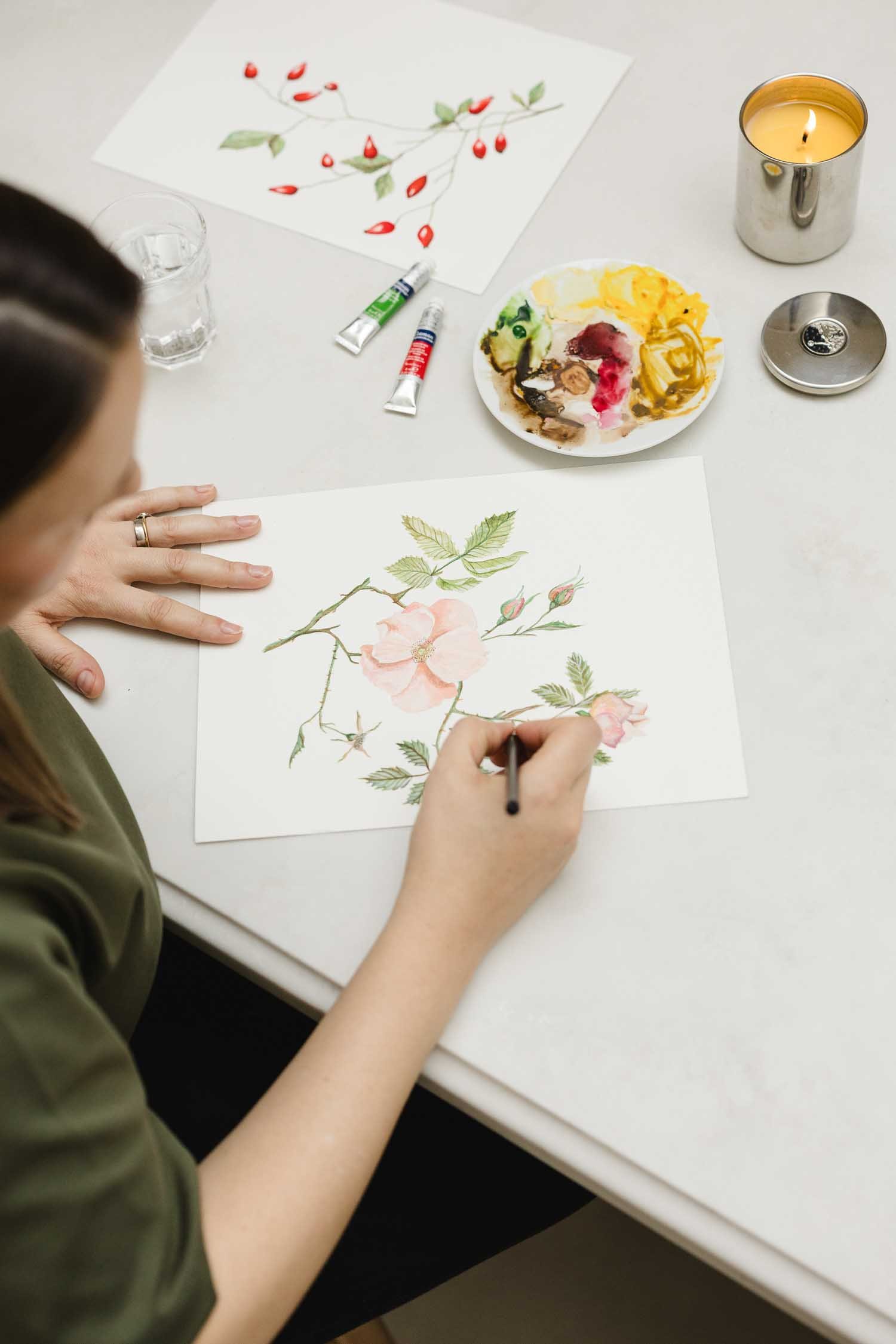
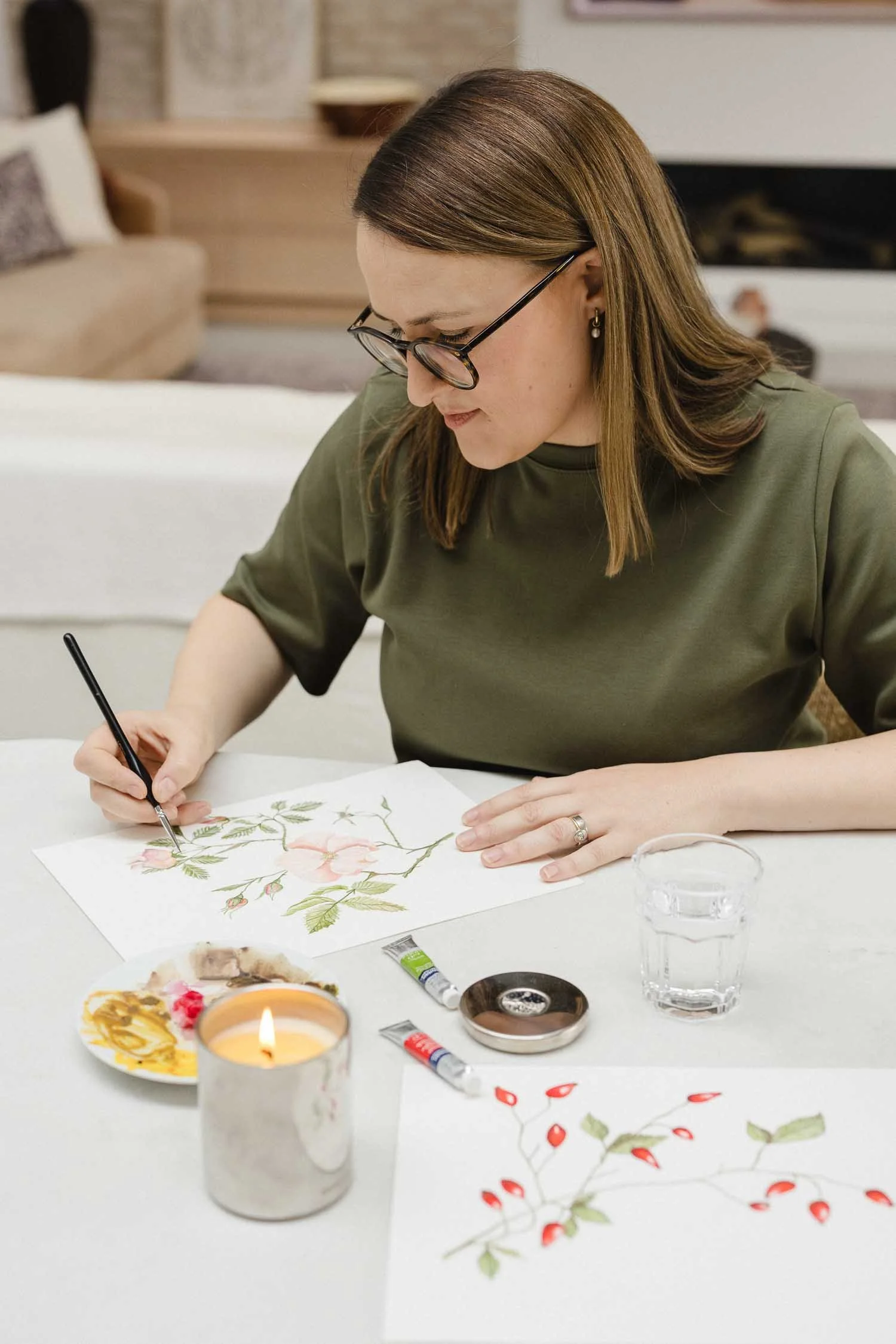
Tanja, a garden designer from Gardens by Design in Dubai
Key takeaways: brand identity for garden designers
Landscaping and garden design have blurred in clients' minds - if your brand doesn't make the distinction obvious, you're competing on price against services that were never really your competition
Trend-led aesthetics like naturalistic planting and gravel gardens have become the default look - leaning on them without a distinct point of view makes your portfolio indistinguishable from a competitor's
Materials and hardscaping choices are as brand-defining as planting style - a consistent palette of reclaimed brick, corten steel or natural stone builds a visual signature clients recognise faster than any border
Seasonality is the differentiation opportunity almost no garden brand uses - documenting a garden years after handover, not just at the reveal, produces content competitors can't fake with a single photoshoot
Being honest about how long a garden takes to mature reassures clients rather than putting them off - very few garden brands address the wait directly, which makes it a genuine point of difference
Specialism in a specific site condition or planting problem commands a premium generalists can't reach - clients pay more when the perceived risk of a designer getting it wrong feels lower
A dated website caps the value of enquiries before a client even reads your portfolio - website quality reads as a proxy for the calibre of client you usually work with
Differentiation comes from a specific point of view, not a louder aesthetic - repeating sentiments that could apply to any garden designer won't help you stand out, however well photographed
Why garden design has its own saturation problem
The line between landscaping and garden design has blurred for clients
Garden designer, landscape designer, landscape architect - who does what and how do they differ? Garden brands are actually quite tricky to navigate for customers, particularly when you get general builders, architects or landscapers offering lookalike services.
Clients increasingly struggle to differentiate a landscaper who lays a patio, turfs a lawn or erects a fence from a trained garden designer who's spent years developing a planting philosophy and part of a professional body. (Note that landscape architects are the most regulated, requiring a degree and chartered status.) A general landscaper and garden designer will often show up in the same search results, which means the distinction that matters most to your business is invisible to the people you most want to reach.
Without a brand that makes these differences obvious, you're reduced to competing on unfavourable terms, such as price (demoralising and not recommended), against adjacent service providers that were never really your competition.
A handful of dominant aesthetics now show up in almost every garden portfolio
Popular garden design styles in the UK at the time of writing include naturalistic (wild, biodiverse spaces), minimalism (architectural lines and modern materials), ‘foodscaping’ (blending edibles with ornamentals) and climate-aware (drought-tolerant gravel gardens suited to wetter winters). These gardens have become the default look for anyone wanting to appear on-trend, often trickling down from RHS Chelsea and similar garden shows.
There's nothing wrong with any of the styles, as they reflect how market demand has influenced garden designers. However, when most garden design portfolios in a market lean on the same palette and influences, clients lose the ability to distinguish a garden designer's genuine point of view from a popular trend. Over-reliance on trends makes it harder to signal something about you as the designer behind it. In turn it’s more difficult for a client to choose you over someone else. Trends need careful handling.
Clients can't tell a considered planting philosophy from a copied one
Instagram has hugely helped garden designers’ marketing efforts: it lends itself to beautiful aesthetics and aspirational home style. However, a garden border that took years of horticultural knowledge to compose can look, in a single Instagram grid post, indistinguishable from a style assembled via Pinterest or a moodboard exercise.
Clients in the garden market lack a garden designer’s training, so aren't equipped to judge or instinctively appreciate the thinking behind a planting scheme, only what it looks like on a screen. That puts the burden firmly on your branding as a harden designer, not your plants, to communicate that (a) you have genuine expertise and a robust design philosophy and (b) how that makes a real-world difference to your garden design work.
The takeaway: Without a distinctive brand, garden designers compete on price against landscapers and generalists who were never really their competition.

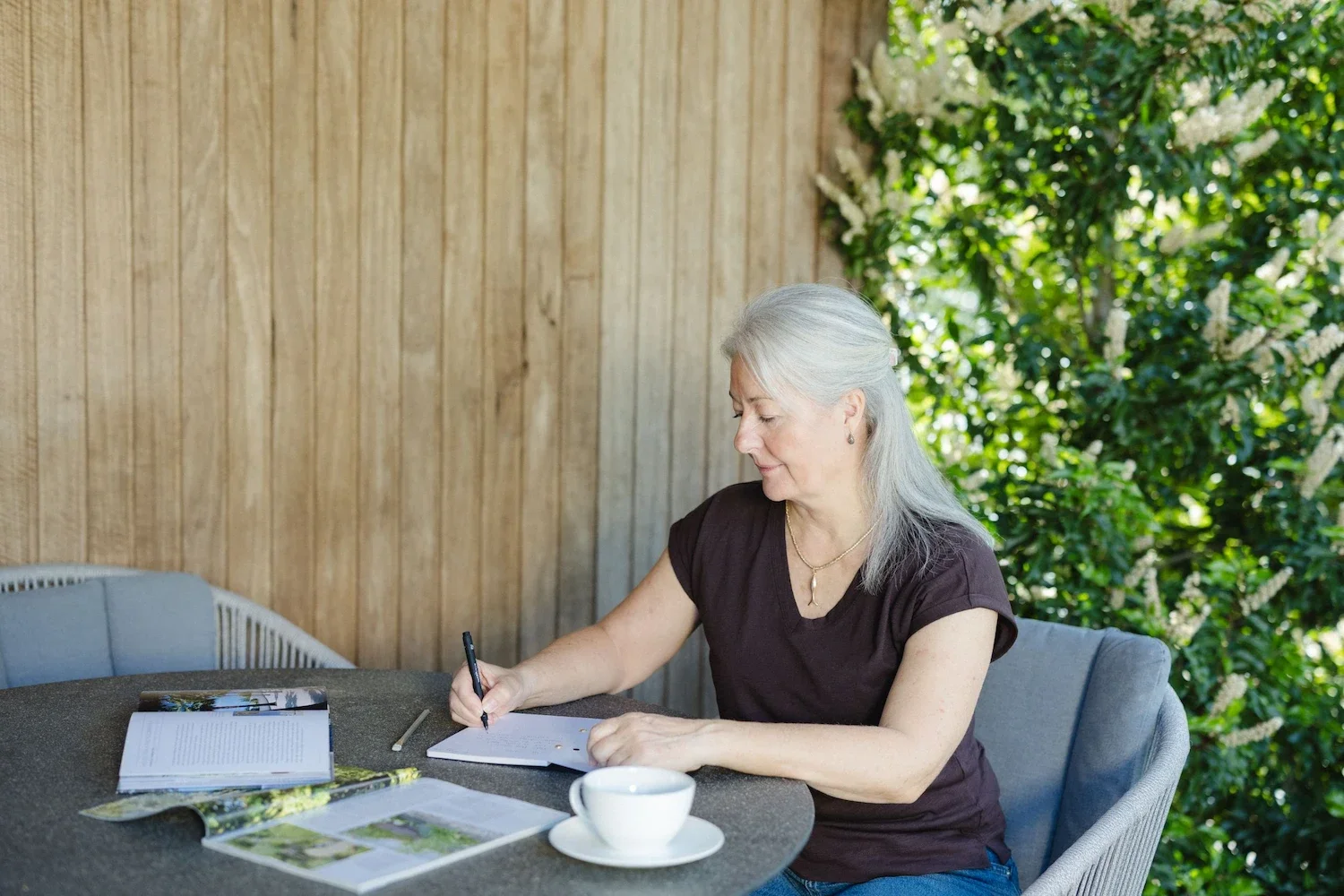
Garden designer Tanja from Gardens by Design, working on her laptop
What makes a garden design brand memorable beyond the finished garden
A strategy behind the work matters more than the photography style
Two garden design studios can photograph their garden work beautifully and still leave entirely different impressions. This is because one studio has a defined point of view about what a garden should do for its owner and the other doesn't. Being able to articulate that through branding is critical, as clients buy into not only want you do, but what you can do for them - how you bring them transformation. That's where the value of a coherent brand identity comes in. A thoughtful brand identity strategy helps garden design studios communicate what makes them genuinely different, long before a client compares portfolios. It's what ensures people remember you clearly after they walk away from a conversation or your website. That said, photography is crucial within garden designers' marketing (see below). Investing in brand photography that tells the story behind your work, not just the finished garden, helps communicate quality, personality and process in a way portfolio images alone never can.
Materials and hardscaping choices are as brand-defining as planting style
Garden design branding conversations often focus on planting, but the materials a garden design studio chooses consistently (such as reclaimed brick, corten steel, natural stone) say just as much about your brand identity. They are often easier for clients to recognise at a glance than a planting scheme because hard materials are more familiar than whimsical flower names. Material and hardscaping choices don’t sit outside your brand identity as a garden design studio. Instead, you can use them to reinforce the impact of your marketing. They become part of your signature style just like your logo. A garden design studio that's consistent in its material choice (colour, texture, aesthetic) across projects builds a visual signature that outlasts any single season's flowering.
Content consistency across the seasons builds recognition faster than one striking image
A single stunning garden photograph gets a like on Instagram (although that’s increasingly rare these days because the space is so saturated, plus short form video Reels are the way to go). A consistent way of showing your garden designs across spring, summer, autumn and winter, on the same channels, in the same tone, builds the kind of recognition that makes a client think of you specifically when they're ready to go ahead with a project. Recognition compounds through repetition far more reliably than it does through any one impressive shot.
The takeaway: A garden design brand is remembered for its point of view and material consistency, not for how well a single photograph is lit.
Why seasonality is a differentiation opportunity most garden brands ignore
A garden brand that shows years, not just the reveal, tells a different story
Most homeowners crave succession planting to avoid bare patches and uneven flowering. Garden photography is the nemesis of most garden designers because gardens take time to mature. Both factors point to the massive opportunity and benefits seasonality affords garden designers as a branding element.
Many garden designers’ portfolios by default aim to show the finished results of a garden design and stop there. This is a naughty habit borrowed from interior designers and Instagram posts, but adopted into an industry where it simply doesn't fit.
A garden isn't finished at handover, it's just beginning; and a garden design brand that’s willing to document that ongoing story sets itself apart from every portfolio that only shows the big reveal photograph.
Documenting maturity builds a portfolio competitors can't fake with one shoot
Returning to photograph a garden you’ve designed after two or three years of growth produces something no competitor can replicate with a single polished shoot. This is because it requires patience and a good ongoing relationship with a client not only to return, but get it over the line with all the organising and coordination required. This kind of brand awareness and brand content is slower to build but far harder to copy, which is precisely what makes it valuable as a point of difference when it comes to your overall branding as a garden designer.
Clients buying a garden are really buying patience, and your brand should say so
Anyone commissioning a garden is implicitly agreeing to wait years for the full result, yet very few garden design brands address this directly. It’s inherent in the way that we interact with the natural world: gardens die back and spring up again; plants and trees grow from seedlings or saplings. Despite this there is a predictable seasonal rush every Spring and garden designers get inundated like clockwork.
And yet there is huge value for clients in that slow maturity - clients derive joy and wonder from the transformation a garden undergoes, adding value not only to their lives but their property. These days we understand the value of slow fashion and other products or services done in a ‘slow’ way. Excluding slow design as a brand element makes no sense and means your brand loses impact.
If you’re honest about your timelines as a garden designer and show confidence in how your designs will mature, you reassure clients in a way that instant-gratification interior photography never has to.
The takeaway: Showing a garden years after handover, not just at the reveal, is the single most under-used differentiator in garden design branding.
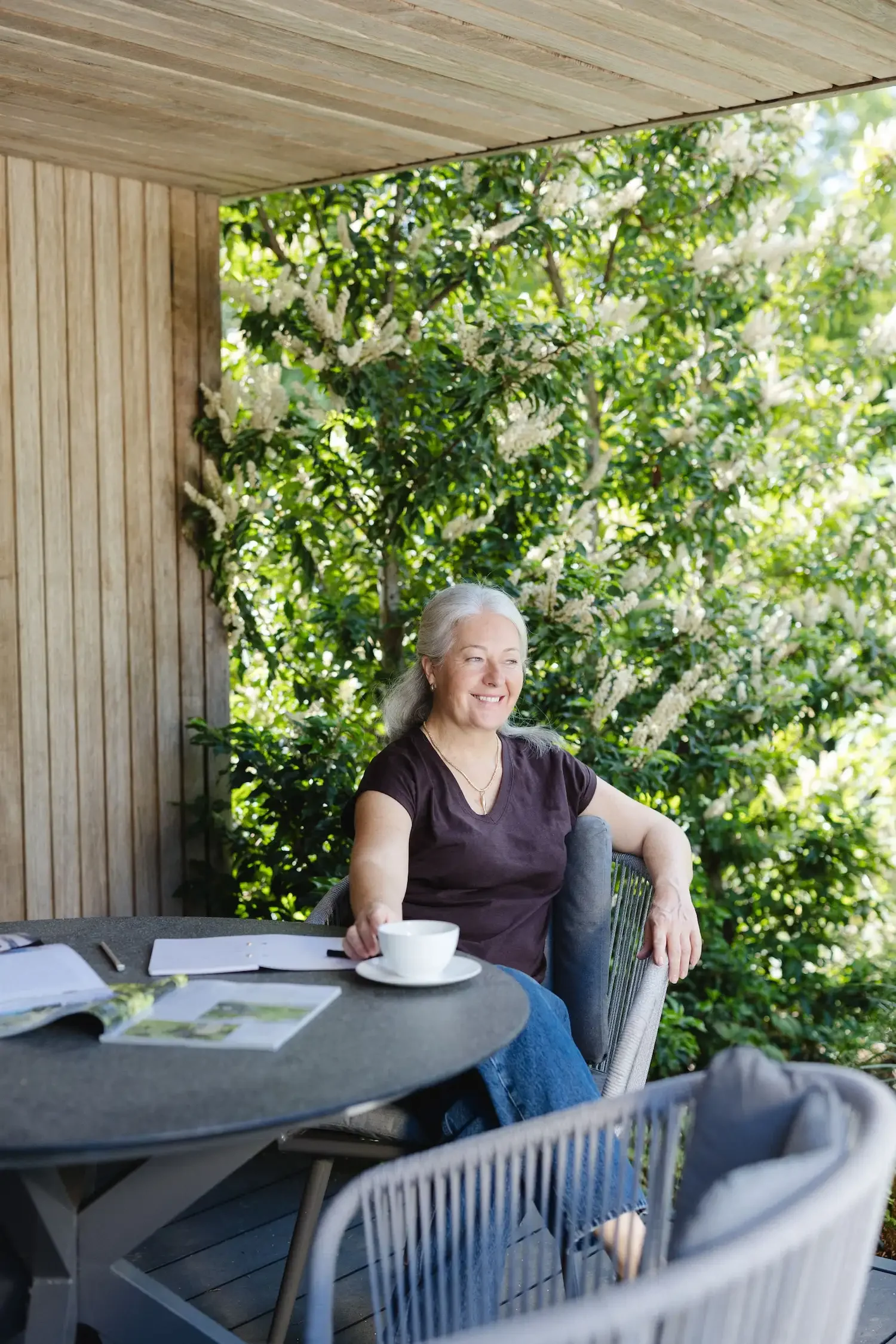
Garden designer Tanja from Dubai having a coffee
How positioning helps you attract higher-value projects
Clear positioning filters out enquiries that were never a good fit
Garden designers who are willing to design any garden for any budget inevitably attract a correspondingly wide spread of enquiries, many of which were never going to be a good match. This is the ‘more is more’ approach, which belies a lack of confidence and focus, whereas niching and ‘less is more’ are actually more productive angles to take.
Clear brand positioning does some of that filtering before you receive enquiries, so the conversations that you do eventually have with clients start from a closer alignment on scope and expectation. Practically, positioning will identify where you sit with relation to budget, geography, complexity and other key factors that go into a garden design project.
Specialism in site conditions or planting style commands a premium unavailable to generalists
Advice for garden designers’ portfolios often encourages you to show things like a range; a mixture of garden sizes and styles; and to demonstrate versatility. There's a place for that once a client is already further into the sales process and actively examining your work and assessing it against their needs.
However, your principle marketing message which gets you noticed or shortlisted in the first place works differently. If you are known specifically as a garden designer for difficult sites, coastal exposure or a particular planting approach, you’re trusted to deliver those garden briefs in a way a generalist rarely is, even when the generalist's underlying skill is comparable.
The highest-value clients buy for a specific problem, not a general aesthetic
The most valuable garden design projects tend to go to designers known for solving one thing particularly well, whether that's a north-facing garden, a coastal microclimate or gardens designed to be seen from inside the house through the seasons. Positioning around a specific problem gives clients a reason to choose and pay for expertise rather than shop around on style alone.
This really is the key to standing out as a garden designer. Clients can only really hold a few things in their mind at the same time. Designers can’t do or be great at everything. Therefore, focussing on a specific problem or specialism is the road to success and makes the journey much more efficient. You can see this principle in action in our work with Greenwild, a garden design and build studio, where every element of the brand and website was designed to reinforce a premium, specialist position.
The takeaway: Garden designers who specialise in a specific site condition or problem command a premium that generalists can never reach.
Why premium perception starts before the first site visit
Photography across seasons signals a studio used to significant, long-term projects
We return to photography which is often the bane of a garden designer’s marketing. Clients form a judgement about the scale and calibre of a garden design studio's work from photography long before any conversation about budget happens. A portfolio that shows gardens across multiple seasons and years signals a studio accustomed to long-term, considered projects, which is a very different impression to one built entirely from single after-the-build shots. How to get those images is a question answered through brand photography and styling within the branding process.
A dated website undermines design work (even if it’s excellent) in a client's first impression
However accomplished the planting or the design thinking, a cluttered, outdated or hard-to-navigate garden design website is analogous to the calibre of client your garden design studio usually works with. Clients rarely separate the quality of a website from the quality of the work it represents, which means an underperforming site can quietly cap the value of the enquiries that come through it.
A website designed specifically for creative studios should reinforce your positioning, not work against it. If you're reviewing your own online presence, it's worth understanding what makes a garden design website convert enquiries into clients, because visual quality alone rarely tells the whole story.
Small inconsistencies between portfolio and correspondence chip away at trust
A polished portfolio paired with an inconsistent e-mail signature or mismatched proposal template undoes some of the credibility your portfolio worked to build. A premium perception of your garden design studio isn't secured by one strong asset, it's undermined by the weakest one a client happens to see, so consistency across every touchpoint matters more than any single piece of it.
The takeaway: Clients judge a garden design studio's calibre from its website and photography long before any conversation about budget.

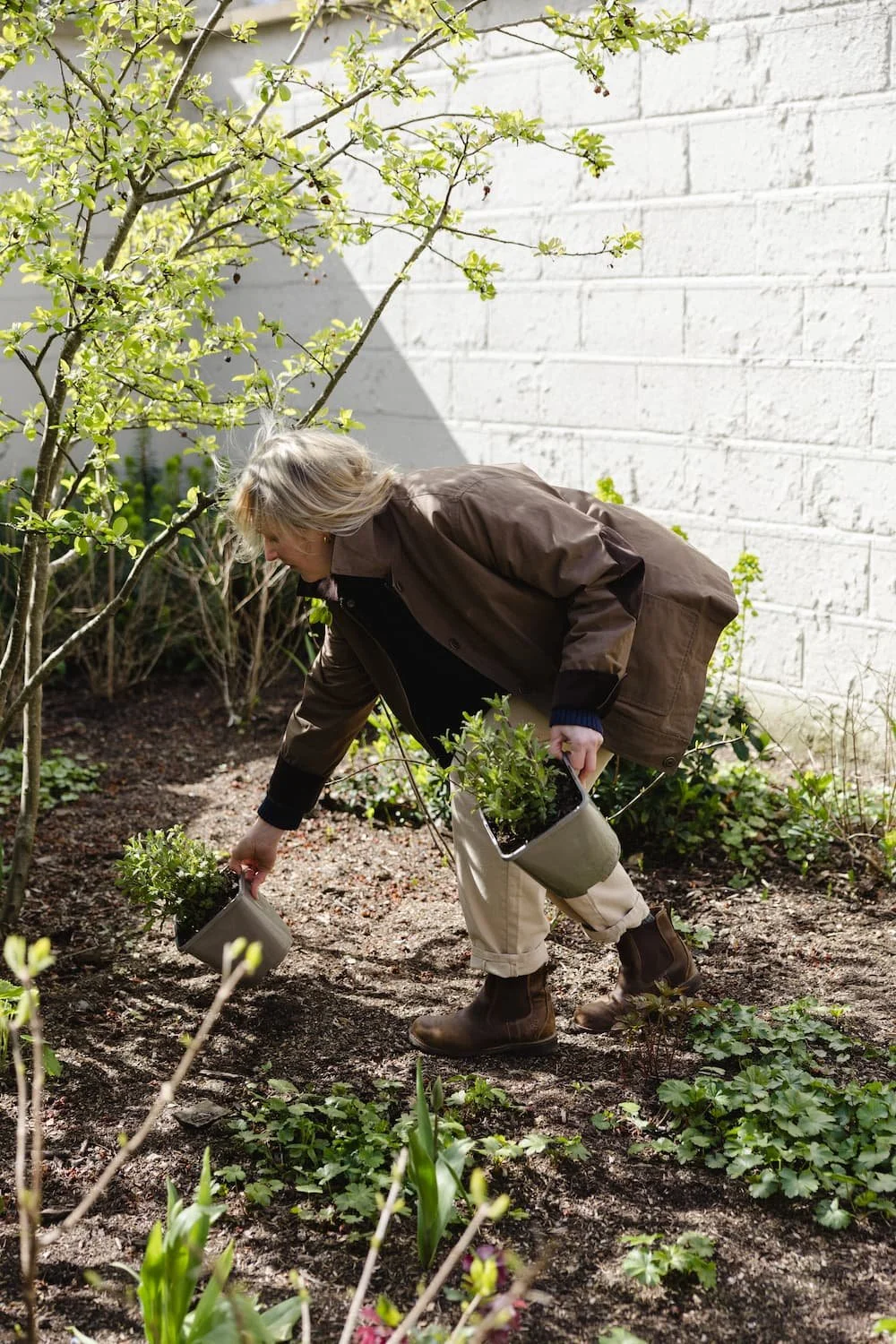
Garden designer Tanja assessing soil
How to differentiate through design philosophy, not just planting style
Differentiation comes from a specific point of view, not a louder aesthetic
Standing out as a garden designer doesn't require a dramatic visual departure from what other studios are doing, it requires being specific about what you actually believe makes a good garden. Repeating sentiments and statements that could apply to any designer in the market won’t help. A quieter but more specific position tends to resonate further than a louder but generic one.
Process, from first site visit to planting plan, can be as distinctive as the result
The bottom line is that garden designers struggle to differentiate their brand from competitors. Some focus entirely on the finished garden whereas others major on the way their studio works with clients, how they conduct a site visit, how they presents a planting plan.
We’ve discussed why the process of transformation is important, rather than the finished result on its own. The reality about the garden design process is that it’s also very hard to compete on process alone. Since most studios settle on a similar six-step process, it fails to be a point of differentiation. Sadly this has become a common feature on garden designers’ websites.
The answer is a balance: show the distinctive result; show how you achieved transformation; and back it up with a robust process. All working together. This combination ensures you are distinctive and makes it considerably harder for a competitor to copy than if you merely present an aesthetic.
Chasing a trending look dilutes the judgement clients actually want
Adopting a popular garden style because it performs well for other garden design studios online quietly erodes the personal taste and judgement that made a studio worth commissioning in the first place. Brand differentiation holds up better when it comes from genuine conviction about how gardens should work rather than from whatever's currently trending in other people's portfolios.
The takeaway: Differentiation comes from a specific, defensible point of view, not from a louder aesthetic or a busier portfolio.
Standing out as a garden designer starts with knowing what only you can say
The challenge facing garden designers isn't that there aren't enough beautiful gardens. It’s that there are now so many beautiful gardens being shown in similar ways that clients struggle to understand the difference between one studio and another.
A distinctive garden design brand isn’t built by chasing a new visual trend, choosing a different colour palette or trying to make your portfolio louder than everyone else’s. It comes from having a clear point of view about what you believe makes a great garden, who you are best placed to help and why your approach creates a different kind of outcome.
Your planting style, material choices, process, photography and website all have a role to play, but they become much more powerful when they are connected by a clear brand strategy. That’s what turns individual projects into a recognisable body of work.
For garden designers, differentiation is ultimately about making the invisible visible: the years of knowledge behind your planting decisions, the thinking behind your designs and the experience you create for clients throughout the journey.
The gardens you create may take years to mature. Your brand deserves the same level of thought and care.
FAQ: Portfolio design for for interior design websites
-
A garden designer can make their brand stand out by communicating the thinking behind their work, not just showing finished garden photographs. A distinctive brand comes from clearly expressing your design philosophy, ideal client, specialist knowledge, process and the details that make your approach different.
Rather than competing on a particular aesthetic trend, garden designers should focus on what they believe makes a successful garden, the problems they solve for clients and the experience they create throughout the design journey. This helps potential clients understand why they should choose one designer over another.
-
A strong portfolio is essential, but it rarely explains the full value of a garden designer’s work. Clients often see the finished result without understanding the expertise, decision-making and years of knowledge behind it.
A brand strategy helps garden designers communicate those invisible elements by defining their positioning, messaging and visual identity. This gives potential clients a clearer understanding of who the designer is best suited to help and why their approach is worth investing in.
-
Garden designers can attract higher-value clients by positioning themselves around their expertise, approach and the specific problems they solve rather than trying to appeal to everyone.
This might mean specialising in certain site conditions, planting approaches, garden styles or client needs. A clear position helps the right clients recognise the value of the designer’s expertise before they enquire, making conversations more aligned and reducing the need to compete primarily on price.
Further reading and research
The ideas in this article draw on wider research and industry thinking around garden design, landscape practice and how creative businesses communicate value.
Gardens are increasingly understood as spaces with social, environmental and wellbeing value, not simply decorative features. The RHS State of Gardening Report highlights the wider impact gardens have on people, communities and nature. RHS State of Gardening Report 2025
The landscape profession encompasses a wide range of specialists, including landscape architects, garden designers, horticultural specialists and related disciplines, each with different areas of expertise. The Landscape Institute
Major garden events such as RHS Chelsea often influence wider garden design conversations, with recent trends including climate-resilient planting, naturalistic approaches and the use of materials that connect gardens with their surroundings. Seven take-home design trends from RHS Chelsea
About the author:
Simon Cox is the co-founder of Wildings Studio, a branding and website design studio helping garden designers, landscape studios and other creative businesses communicate what makes them different.
Through Wildings Studio, Simon has worked with design-led businesses including Greenwild, helping them clarify their positioning, develop distinctive brands and create websites that attract better-fit clients.
Simon writes regularly about branding, website design, SEO and content marketing, sharing practical advice based on his experience helping creative businesses turn their expertise into clearer online communication.




In this article:
Why garden design has its own saturation problem
Free download: The garden design brand map
What makes a garden design brand memorable beyond the finished garden
Why seasonality is a differentiation opportunity most garden brands ignore
How positioning helps you attract higher-value projects
Why premium perception starts before the first site visit
How to differentiate through design philosophy, not just planting style
About Wildings Studio
Branding and website design for garden designers
Wildings Studio helps garden designers and landscape studios build brands that communicate their expertise, attract the right clients and stand apart in crowded markets. Based in South Devon, UK, we combine brand strategy, thoughtful design and website expertise to help creative businesses turn their approach into a stronger online presence. From defining your positioning to creating a website that reflects the quality of your work, we help design-led businesses build brands with purpose. Explore our branding services or website design for garden designers.