RHS Chelsea 2026 tips for your garden from a garden designer
If you are wondering how to apply RHS Chelsea trends to your own garden, the secret lies in looking for patterns rather than buying one-off plants. Learn how to build a professional design brief and discover why autumn is actually the best time to contact a garden designer for a summer-ready space.
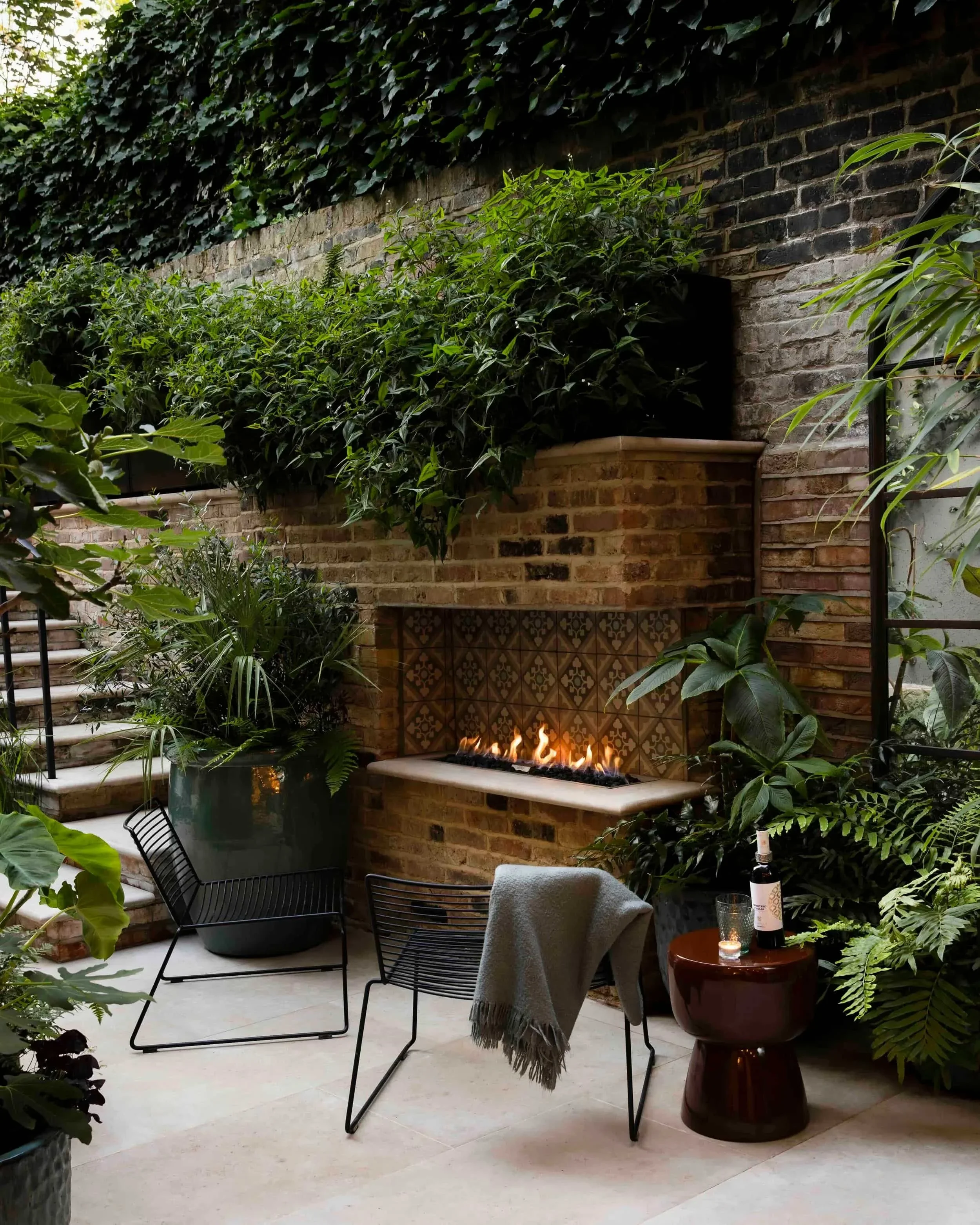
How to use RHS Chelsea inspiration for your own garden project
How to get the most out of Chelsea from a garden designer’s perspective: the judging and press day have happened, and we’ve reached the big week at the Chelsea Flower Show. By the time the gates open to the public, you should have everything in place to take advantage of the huge surge of interest in gardening RHS Chelsea generates.
Whether you are exhibiting, helping create one of the incredible show gardens, supplying the many garden designers, the focus turns from the hard physical graft to facing the public and all the external attention. Equally, if you’re just visiting RHS Chelsea for inspiration, we’ve got some great tips from a professional gardener designer to apply to your garden, or perhaps if you’re thinking of commissioning a designer, landscape gardener, landscape architect.
This is a guest blog by Georgia Lindsay. Georgia runs Georgia Lindsay Garden Design, a landscape and garden design studio that strives to create modern, imaginative spaces from city courtyards to country gardens. Georgia’s work includes urban roof terraces, family gardens, large country gardens and NHS therapy gardens.
Here are Georgia’s top tips to if you visit Chelsea, get inspired and want the inside track from a professional garden designer for your garden.
Key takeaways for planning your post-Chelsea garden project
Document everything by taking photos of both the plants and their nursery tags to avoid forgetting names later
Look for design patterns like vertical lines or specific colour palettes rather than trying to replicate a whole show garden
Allow at least a year for the design and planning process to ensure every detail is considered
Wait until the spring rush has subsided and contact a designer in late summer or autumn
Organise your Chelsea inspirations into categories or themes to see what truly resonates with your style
Prioritise plants that actually suit your specific soil type and garden aspect over trendy varieties
Prepare a visual brief with photos of your current garden and a rough sketch of dimensions
Create a mood board on Pinterest or Houzz to help a designer understand your aesthetic
Plan for construction during the winter months so that planting can happen in early spring
Trust the professional process; a garden is a long-term investment that should not be rushed
1. Absorb all the garden inspiration, ideas, causes & innovations
The RHS Chelsea Flower Show is a joyous week at the end of May, a chance to see the very pinnacle of garden design and planting. It's packed full of inspirational ideas and planting combinations. It showcases innovative new materials and techniques and brings vital awareness to sustainability, biodiversity and shines a spotlight on key charities and social issues.
How to make the most of your visit to RHS Chelsea
Take a notebook and write down what inspires you or take photos on your phone
Pay attention to innovative materials or techniques that you could employ at home
Look at how designers are setting an example for promoting sustainability and biodiversity
Share important causes and issues with your friends, family and followers that are spotlighted
Key points
Use the show to spot new materials and sustainable techniques that can be adapted for home use
Keep a dedicated notebook or digital folder for specific planting combinations and innovative ideas
Pay attention to the social and environmental messages behind the gardens to inform your own choices
2. Thinking of commissioning a garden design after RHS Chelsea?
RHS Chelsea show gardens take time - lots of time to produce! They are in the planning stage a year or two ahead of Show week. It's really important to remember exactly the same applies to designing a garden for a client. The best designs emerge when there is time to consider every detail, plan for supply issues and logistics, planting at the right time of year will all help to produce the best design possible. It's advisable to approach a designer at least a year in advance of the build to ensure there is time to consider every detail. You may then be in the running to have an award-winning garden to rival any RHS Chelsea show garden.
Things to bear in mind when commissioning a garden designer
Approach a garden designer with lots of time in hand - they get booked up quickly!
Allow time for the design process to get the best design for your house and location
Bear in mind that your plants need to go in the ground at the optimal time of year for best results
Key points
Recognise that professional garden design requires significant lead time, often starting a year in advance
Build in plenty of time for the design phase to navigate potential supply chain or logistics issues
Align your project timeline with the seasons to ensure plants are put in the ground at the right time
3. Before contacting a garden designer post-RHS Chelsea
A combination of the RHS Chelsea Flower Show approaching and the warmer weather means many people reach out for help with their outdoor spaces. Garden designers receive a surge of enquiries at this time. My advice would be to gather all the inspiration you have collected at RHS Chelsea and other flower shows, take photos of all the gorgeous plants you have spotted including photos of all the plant tags to remind you of the names. Then at the end of the summer when the Spring surge is over make contact with a designer. Plan the design during the winter months, build in February or March and plant in April. Your garden will then be ready to enjoy the following summer. Remember a garden isn't just for summer, it's for life so take time over it!
What to do before making an enquiry with a garden designer:
Remember that notebook above - make a shortlist or wishlist of plants and designs from the show plus any photos (to remind you!)
Wait until after RHS Chelsea and summer is over before contacting a garden designer
Anticipate working with your garden designer to plan things in the Autumn; start building late Winter; and plant in Spring
Trust your garden designer’s plan and enjoy your wonderful garden the following summer!
Key points
Avoid the peak spring surge when designers are most stretched and wait for a calmer period to reach out
Use the summer to refine your wishlist and gather all your show inspirations into one place
Aim to finalise designs in winter for a spring build, ensuring your garden is ready for the following summer
4. Top tips for introducing RHS Chelsea trends to your garden
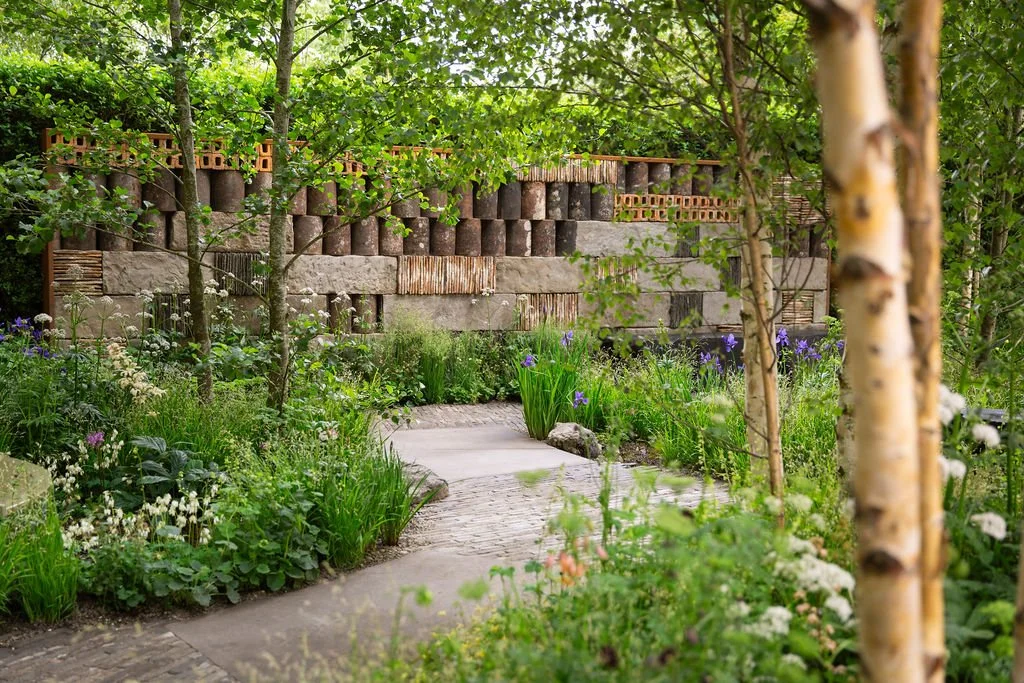
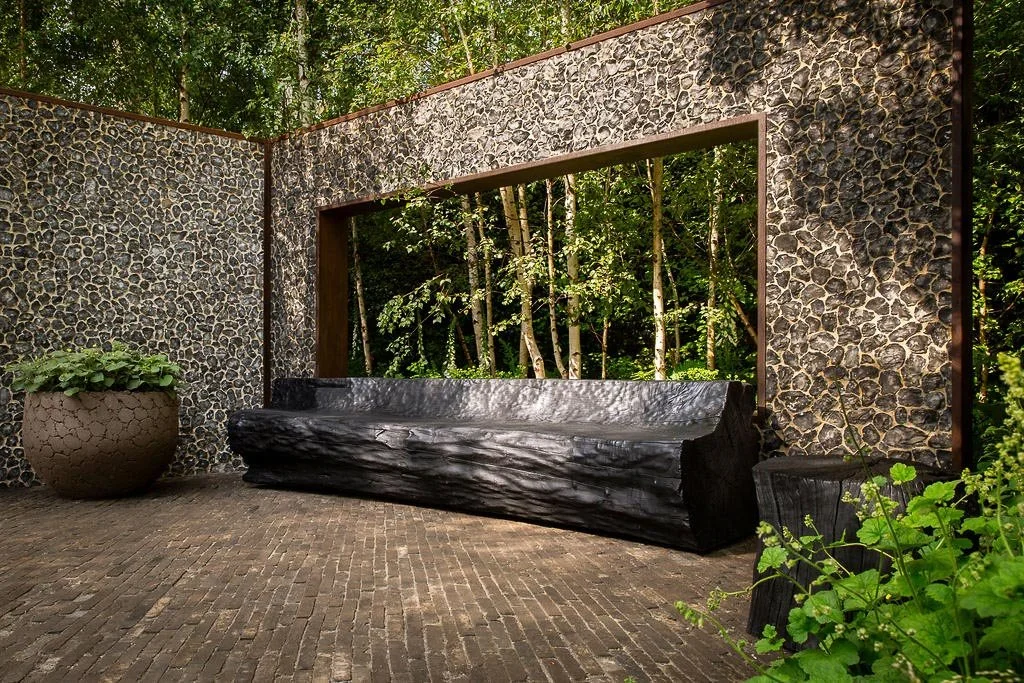
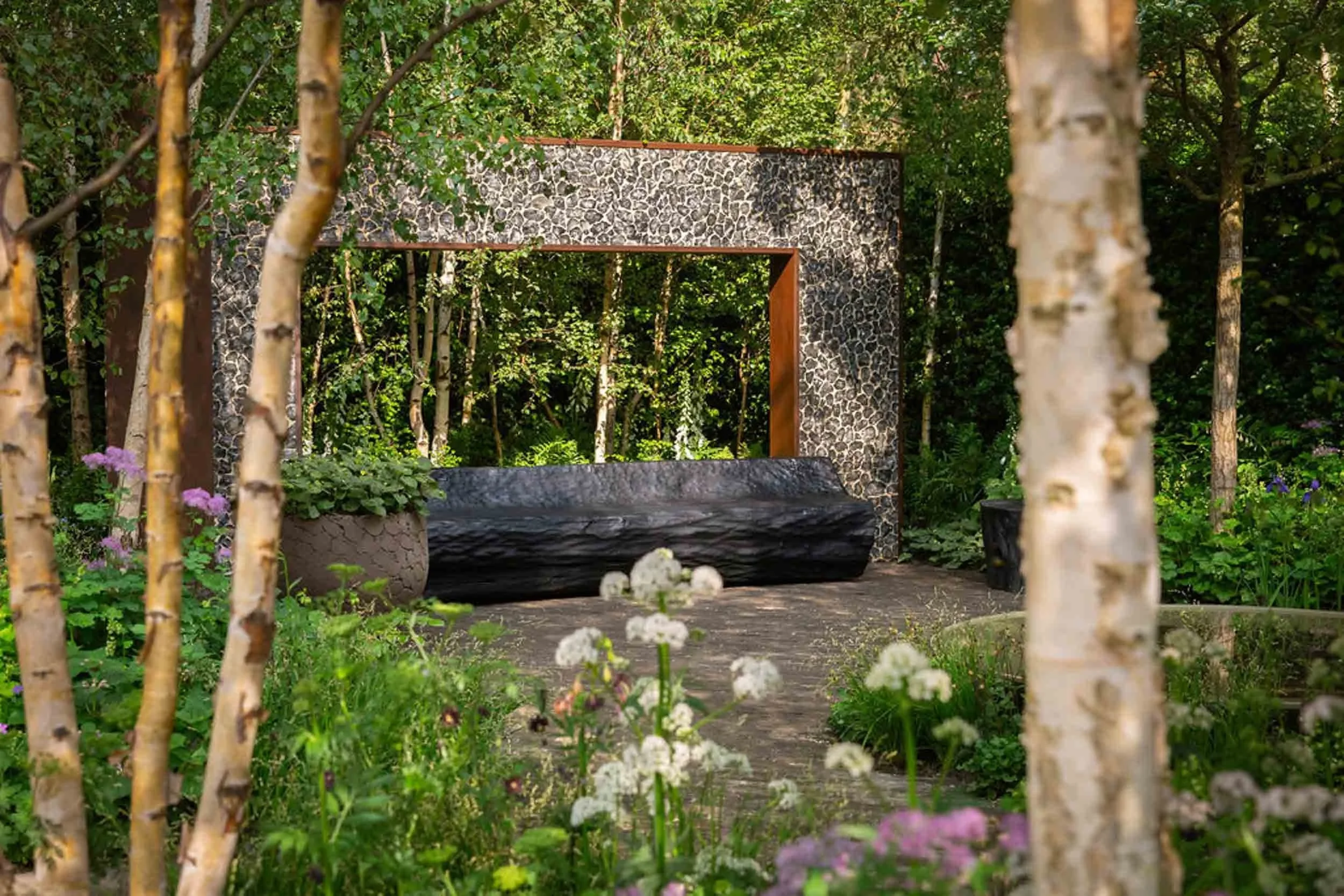
The RHS Chelsea Flower Show showcases bold and beautiful designs with impressive architectural statements. It displays unusual plants you love but have never heard of - how do you condense those huge ideas to use in your own garden?
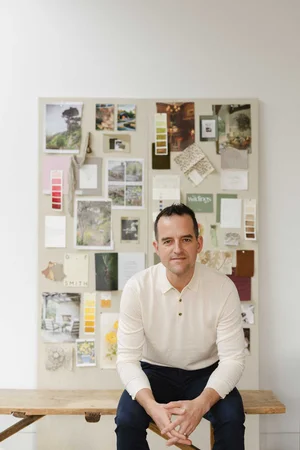
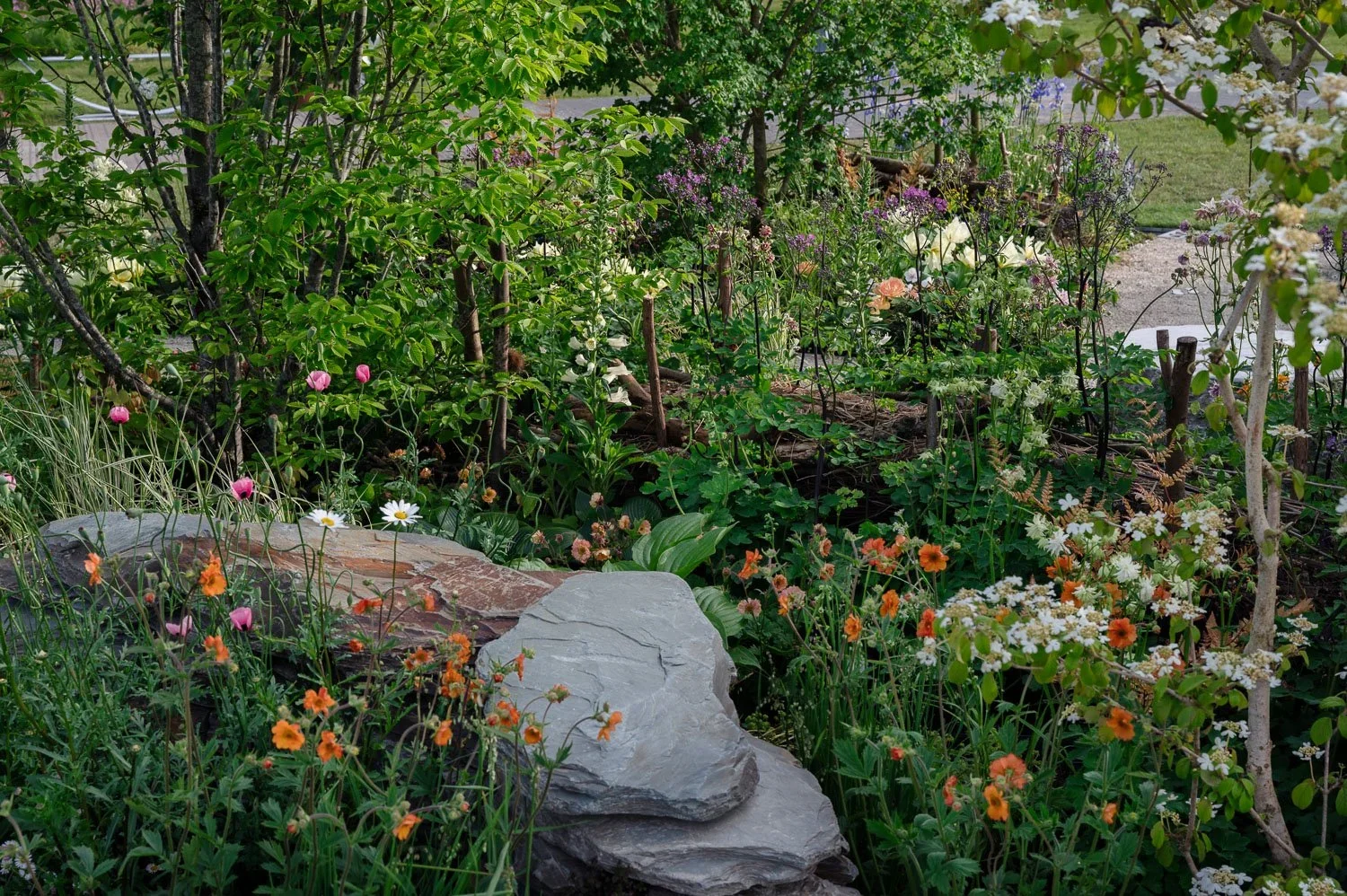
It can be overwhelming trying to bring a little bit of RHS Chelsea home with you so take photos of all the ideas and plants which inspire you and make a collage of images. A common theme may emerge which could be as simple as vertical linear shapes, try condense these ideas to suit the proportions of your garden. The danger is to add small one-off items or an odd plant. Instead look for a pattern of colour which will suit your space. Many of the plants you see at Chelsea may not be suitable for your garden so try to find equivalents to suit your soil type and aspect.
Tips for applying RHS Chelsea trends & planting to your garden:
Organise your notebook inspirations into categories and themes
Avoid planting one-off plants in the buzz after RHS Chelsea
Choose the plants that are most suited to your garden
Key points
Deconstruct large show ideas into smaller elements that fit the proportions of a domestic space
Avoid the temptation of buying one-off "statement" plants that don't fit into a cohesive planting scheme
Translate "Chelsea plants" into hardy equivalents that will actually thrive in your local environment
Strategic marketing for your garden brand
Wildings Studio is a website design and branding studio based in Devon, where we craft standout identities and custom websites for garden designers, architects and lifestyle makers.
If you are looking for more ways to grow your presence in the industry, our Marketing for garden designers: Chelsea Flower Show pillar page is a great place to start.
Whether you need a complete website design or a more refined brand strategy, we would love to help you build something that feels settled. Get in touch with us to start a conversation about your next project.
5. What to include in your brief to your garden designer
The Spring time is an extremely busy time for professionals in the landscaping industry. Here's what you can do to help in preparation to reaching out to a garden designer.
Gather photos of your garden (at different times of the year if possible). Draw a very rough sketch of the garden with basic measurements. Start a Pinterest or Houzz mood board of gardens which inspire you. Make a wish list of all the priorities you would like to include for example an outdoor kitchen coal or gas, are you looking for dining as well as lounge seating? Would you like the sound of water in your garden, do you need a garden room? When you have all the info you need, find the best designer for and you and you will have a head start in the process.
How to write a great brief for your garden designer
Be visual: sketches, photos and drawings are really helpful
List in priority order what you want to achieve
Get the rough dimensions of your garden area
Key points
Provide clear visual references like sketches and current photos to help the designer see the potential
Create a prioritised list of must-have features, such as outdoor kitchens or specific seating areas
Gather basic measurements and site info early to give your project a head start during the initial consultation
Frequently Asked Questions
-
While many people feel inspired to reach out during the spring or during RHS Chelsea, the best time to contact a designer is actually late summer or autumn. This allows you to spend the winter months on the design and planning phase, ensuring construction can begin in late winter and planting can happen in spring for a summer-ready garden.
-
Instead of trying to copy a massive show garden, focus on the underlying patterns. Look for specific textures, vertical linear shapes, or colour palettes and scale them down to suit your garden's proportions. Always choose plants that match your soil and light conditions rather than simply picking what looked good on a show stand.
-
To get the most out of your initial consultation, prepare a brief that includes photos of your current garden, a rough sketch with basic measurements, and a mood board of styles you like. It is also helpful to have a prioritised wishlist of features, such as an outdoor kitchen, water feature, or specific type of seating.
Further reading on the Chelsea Flower Show:
From Dainty Dres Diaries: RHS Chelsea Flower Show – Guide To Getting Around
From Garden Ninja Garden Design: Beginners guide to Chelsea Flower Show: what to see & how to avoid the queues
From Gardens Illustrated: 10 essentials for visiting the RHS Chelsea Flower Show
From Dan Cooper Gardens: My Chelsea Flower Show Survival Guide
About the author:
Simon Cox is the co-founding director (along with his wife, Rachael Cox) at Wildings Studio, a branding, website design and content marketing studio in Torquay, UK. He’s the writer and editor of the Wildings Studio blog which you’re currently reading. Simon is also responsible for the Wildings Studio content marketing services. Simon blogs regularly on topics to do with the core Wildings Studio services on branding, website design and content marketing (blogging). He’s passionate about helping small business develop great content that answers the questions people type in Google in order to get found online (SEO).
In this article:
How to use RHS Chelsea inspiration for your own garden project
Key takeaways for planning your post-Chelsea garden project
About Wildings Studio
Thoughtful, beautiful branding and websites for design-led businesses
Wildings is a website designer for small business offering website design. Based in South Devon, UK, we deliver small business website design for design-conscious brands like garden designers, interior designers, architects, circular ethos restaurants, speciality coffee shops, organic cafés and boutique hotels.