How to structure a blog post for better SEO & engagement
To structure a blog post for better SEO and engagement, you must lead with a clear answer to the reader's search query before breaking the content into logical, skimmable headings. Subheadings act as handrails, helping both readers and search engines navigate your expertise without feeling overwhelmed. Stick to punchy paragraphs of about four sentences and always wrap up with a direct call to action so your visitors know exactly where to go next.

Rach working on a blog post
How to structure your website blog to increase search traffic and reader engagement
Most people think blogging is just about getting words onto a page, but if you’re a garden designer or an architect, you know that layout is everything. A website blog works the same way. If you dump several thousand words about your industry-specific topic onto your site without any clear structure, nobody is going to read it. They’ll see a wall of grey text, give up and hit the back button before they’ve even reached your first point.
It’s not just about keeping humans happy too; Google and AI are essentially very picky readers that need you to point out exactly what’s important using the right headings and hierarchy. We aren't just writing for the sake of it; we’re building a framework that tells AI and search engines you actually know your stuff. It’s the difference between a cluttered junk shop and a curated boutique.
Top ten takeaway ideas for better blog engagement
Start with a title that actually answers a question people are typing into Google
Don’t obsess over a perfect word count, but aim for at least 1,000 words to give yourself enough room to be genuinely useful
Use Heading 2 tags as the skeleton of your post to help Google understand your main points
Keep your paragraphs tight—four or five sentences is plenty before people start skimming
If you’re writing an ultimate guide, go long and hit the 3,000-word mark to prove you really know your stuff
Use Heading 3 and 4 tags as handrails so readers don't get lost in the weeds of a long article
Write like a human because Google is getting remarkably good at spotting and penalising robotic AI filler
If you have a quick tip, a short 300-word post is better than staying silent
Stop people from clicking away by avoiding huge blocks of text that cause internal panic
Always tell your reader what to do next with a clear link or a nudge towards your contact page
1. How do I structure a blog post on my website?
In terms of structuring a general blog on your website, the first critical element is to have a really clear and compelling overall Title (also called Page Title or SEO Title). This can be the overall question you want to address in the blog or a query you think someone may put in a search engine.
If you are using Squarespace, the Title for your blog also acts as the Heading 1, so there’s no need to add a separate Heading 1. (A Heading 1 typically acts as the main subtitle for the blog and there will only ever be one per blog.)
Once you have your Title, the aim of the rest of the blog post is to break that question down into explanatory sections, unpacking the topic in a helpful way.
Practically, that means your blog will have a series of paragraphs of around four to five sentences each. You'll have an introductory paragraph and each particular section uses your standard paragraph text.
The key thing now is to give each of these sections (containing the paragraph text) a sub heading. It’s important that each of these main sections starts with a Heading 2.
If you want to develop further sub-points within a section, you can add more mini little headings. Use a Heading 3 after a Heading 2, and if you want to nestle another level of sub-points, then use a Heading 4, and so on and so forth.
Once you’ve finished your sub points, don’t forget to revert to the next level up in the heading hierarchy, or move to the next section in your blog starting with a new Heading 2.
Overall, make sure you have a nice, clear, logical structure to the points that you make and develop – this helps your readers, as well as Google crawl and subsequently index your content.
Also, don’t forget to finish off with a helpful conclusion and a suitable link or Call to Action.
Key ideas:
Depending on your platform, your Page Title may double as your Heading 1; either way, make it a punchy question that addresses a specific reader problem
Break the big answer down into smaller sections using Heading 2 tags to create a logical flow for both humans and search engines
If you need to go deeper into a specific point, nestle Heading 3 and Heading 4 tags under your main sections to keep things tidy
2. How long should a blog post be on my website?
With blog length, the main thing to do is help your reader out. If you're going to write a really long blog post, you've got to break it up.
You need to have really, really clear headings and subheadings to give your readers handrails. These help peoeple scan through your content and decide whether it’s worth continuing.
If you a visitor is faced with a page that is absolutely crammed with text and no line breaks or section, they will internally panic, think it’s overwhelming and then click off. It’s just not worth their while persevering when they can get an answer quickly and easily elsewhere.
There’s no optimal length for blog content – Google doesn’t necessarily favour one length over another. However, to provide readers with value and to weave in enough keywords, there is a threshold length beyond which your blog will perform better.
As a rule of thumb, a blog between 1000 and 2000 words in is a healthy length. Even so, make sure that whatever you write is good quality and make sure that it is written by you and not a robot, AI or ChatGPT because Google is now penalising such content as spam.
Ultimately, make your blogs them whatever kind of length you like, but make them really readable.
Key ideas:
Readability is the priority; if a page looks like an endless block of text, most visitors will bail before they've read a single word
While there’s no magic number for length, staying between 1,000 and 2,000 words usually gives you the best balance of keyword depth and reader value
Authenticity matters more than ever, so write in your own voice and avoid the temptation to let a robot handle the heavy lifting
Making your design website work harder
If you’re a design-conscious brand—perhaps an interior designer, garden designer or architect—it’s vital that your website isn’t just a pretty portfolio but a hard-working tool for your business. We specialise in website design that marries high-end aesthetics with technical performance.
You can find more advice on growing your online presence over on our SEO and Content Marketing category page. If you’re ready to transform your site into an enquiry-generating machine, get in touch with us to start the conversation.
3. What’s the difference between a short and long form blog?
Another aspect of blog post length is short and long form. We like to split it down into three different categories: short form, standard form and long form.
Short form is usually around 300 to 600 words. This is great for studio tips, news and that kind of thing.
Standard form is usually between 1,000 and 1,500 words. That's really great for how to guides where you, for example, list seven different ways to tackle an issue or approach.
Long form content is around 1,500 to 3,000 words. These are really good if you want to share an ‘ultimate resource’ or ‘ultimate guide’ to something. This is where you can really demonstrate your expertise and knowledge as an industry expert and unpack a subject in depth.
Overall, when it comes to a blog post content, think first ‘what is the purpose of what I'm trying to do’; that will then guide the length of your blog.
Key ideas:
Short form posts of around 300 words are the sweet spot for sharing a single design tip
Standard guides sit at the 1,500-word mark and are perfect for how-to articles where you’re solving a mid-level problem for a client
Long form content is your chance to shine as an industry expert, using 3,000 words to create a definitive resource that people will want to bookmark
Frequently Asked Questions
-
Google doesn’t have a strict word count requirement, but depth often correlates with higher rankings. For garden designers or architects looking to showcase expertise, aiming for 1,000 to 2,000 words allows you to naturally include relevant keywords and provide enough value to keep people on the page.
-
Headings aren't just for aesthetics; they provide a hierarchy that search engines use to index your content. Use a single Heading 1 for your title, then use Heading 2 for your main points. If you're breaking down a complex interior design process, use Heading 3 for the sub-steps to keep the structure clear and scannable.
-
High bounce rates happen when a visitor feels overwhelmed. Avoid long, dense paragraphs and use clear subheadings as handrails to guide the reader through the post. By making your content easy to scan, you allow visitors to find the specific advice they need, which builds trust and encourages them to stick around.
Explore more insights on content marketing and SEO for design brands:
About the author:
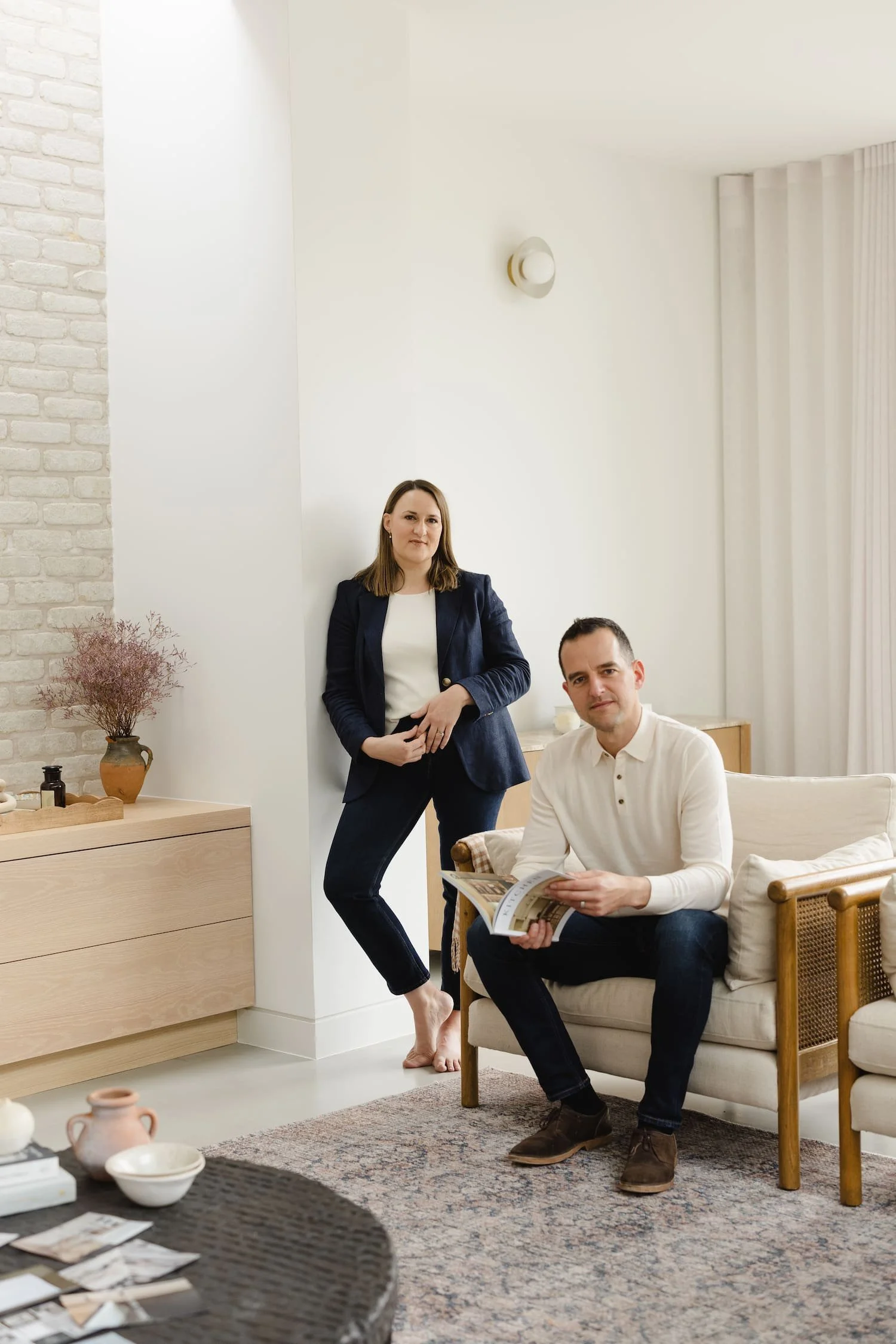
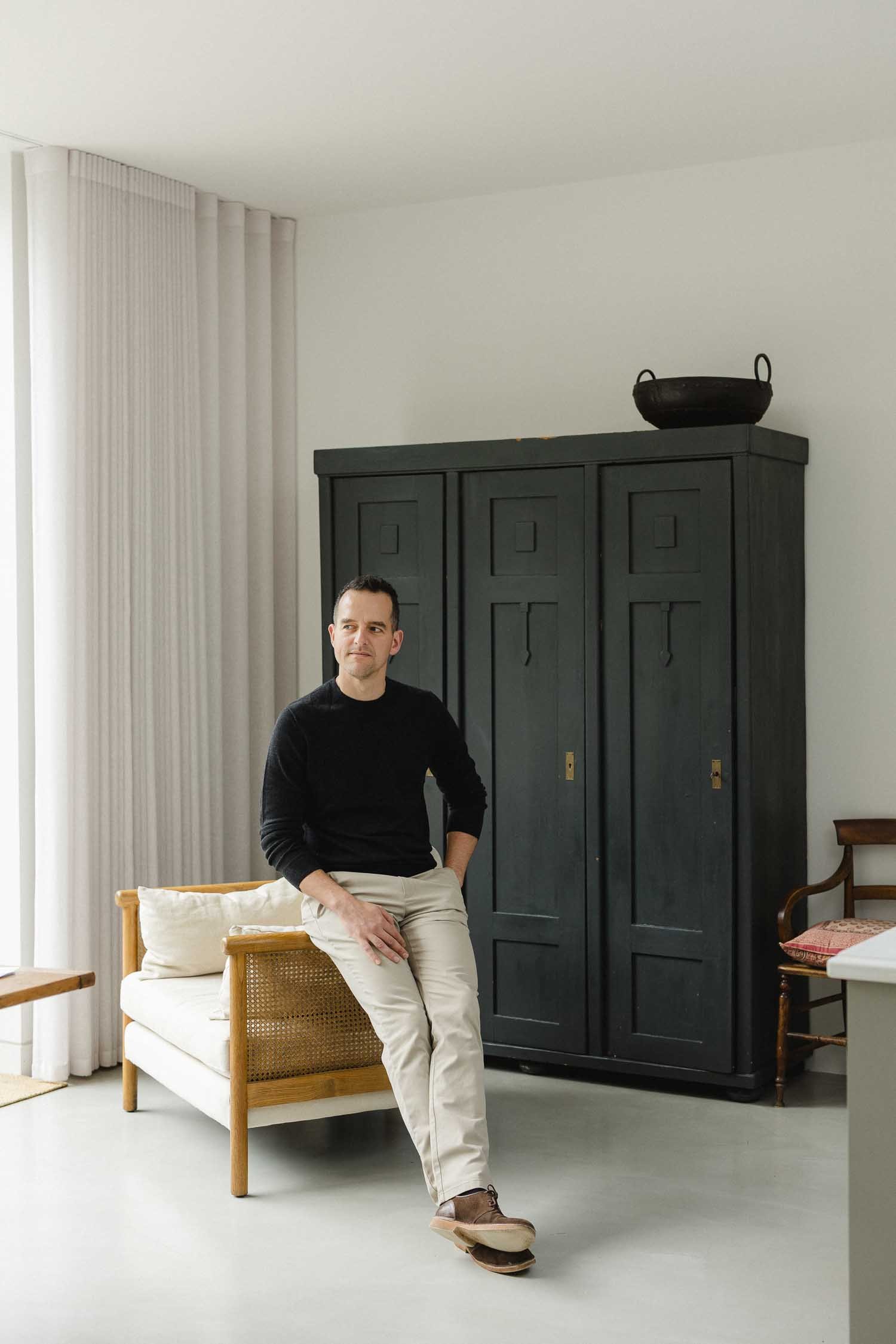
Simon Cox is the co-founding director (along with his wife, Rachael Cox) at Wildings Studio, a branding, website design and content marketing studio in Torquay, UK. He’s the writer and editor of the Wildings Studio blog which you’re currently reading. Simon is also responsible for the Wildings Studio content marketing services. Simon blogs regularly on topics to do with the core Wildings Studio services on branding, website design and content marketing (blogging). He’s passionate about helping small business develop great content that answers the questions people type in Google in order to get found online (SEO).

















About Wildings Studio
Thoughtful, beautiful branding and websites for design-led businesses
Wildings is a website designer for small businesses offering website design. Based in South Devon, UK, we deliver small business website design for design-conscious brands like garden designers, interior designers, architects, circular ethos restaurants, speciality coffee shops, organic cafés and boutique hotels.